
World Sleep Day: Scientific Prevention and Treatment of Snoring
November 22, 2025
Snoring is more than noise: it causes repeated nighttime hypoxia and fragmented sleep, raising the risk of hypertension, heart disease and diabetes.
Snoring is more than just noise. It causes repeated nighttime hypoxia and fragmented sleep, increasing the risk and treatment difficulty of systemic diseases such as hypertension, heart disease, cerebral infarction, and diabetes. The earlier you get checked and treated, the better for your health.
How to Prevent Snoring
- Maintain a healthy weight
- Sleep on your side as much as possible
- Avoid alcohol and excessive fatigue in the evening
- Use sleep aids with caution
What to Do If You Snore
1. Undergo sleep monitoring to assess the severity of apnea and hypoxia. Overnight polysomnography (PSG) in hospital is the gold standard for diagnosing sleep apnea. It simultaneously evaluates sleep structure, micro-arousals, abnormal leg movements, and other indicators to identify hidden causes of poor sleep quality. Portable home sleep monitoring is also available, diagnosing sleep apnea by measuring blood oxygen, nasal airflow, and thoracoabdominal movement.
2. Electronic nasopharyngolaryngoscopy to evaluate anatomical obstruction. A thin endoscope directly visualizes the nasal cavity, nasopharynx, oropharynx, and hypopharynx to identify deviated nasal septum, turbinate hypertrophy, tonsillar hypertrophy, soft palate laxity, tongue base retraction, or narrow pharyngeal cavity. This provides clear evidence for structural causes and guides personalized treatments such as surgery or oral appliances.
3. Start standardized treatment promptly if sleep apnea is diagnosed. Timely treatment prevents chronic diseases and supports management of hypertension, diabetes, hyperlipidemia, atherosclerosis, and cardiovascular/cerebrovascular diseases.
Method 1: Surgery to relieve anatomical narrowing. Deviated nasal septum, turbinate hypertrophy, tonsillar hypertrophy, soft palate laxity and tongue base retraction can be corrected surgically. The ENT department provides minimally invasive procedures: septoplasty, submucosal turbinectomy, turbinate ablation, tonsil radiofrequency ablation, and palatopharyngoplasty. Surgical plans are personalized.
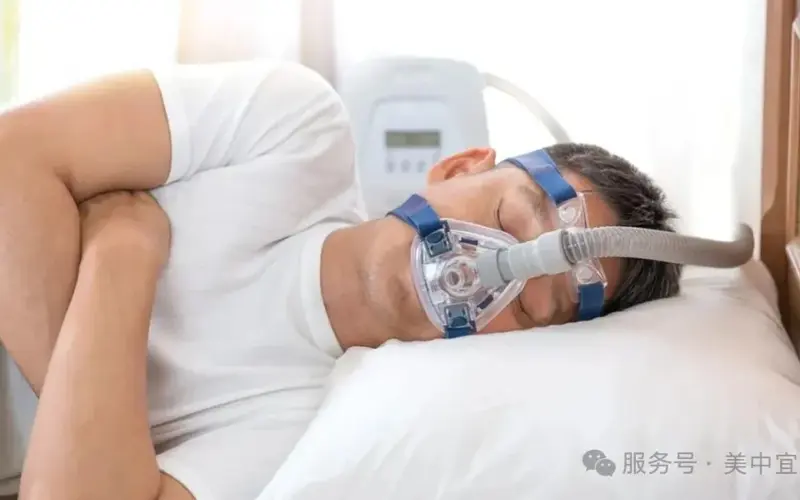
Method 2: Positive airway pressure (PAP) ventilator to open collapsed airways. A non-invasive ventilator delivers pressurized air through a mask to hold open collapsed airways, improving apnea, snoring, and nighttime hypoxia. Modern home ventilators are compact and quiet. Regular use helps resolve apnea by improving insulin resistance and supporting weight loss (every 10% weight loss reduces the Apnea-Hypopnea Index by 10 events/hour), relieving hypopharyngeal reflux and mucosal edema, and restoring central respiratory regulation.
Method 3: Oral appliance (mandibular advancement device) to widen the airway. For patients with mild-to-moderate sleep apnea, nasopharyngolaryngoscopy assesses whether mandibular advancement widens the airway. A custom anti-snoring device is fitted jointly by ENT and dental specialists.
Snoring and Mouth Breathing in Children
Snoring and mouth breathing in children require early evaluation to avoid harming growth and development. Most cases are caused by adenoid and/or tonsillar hypertrophy, leading to sleep hypoxia. Long-term effects may include facial skeletal abnormalities (adenoid facies), delayed growth, poor concentration, rhinitis, sinusitis, otitis media, and lung infections. Evaluation is recommended if your child frequently turns over, prefers prone sleeping, has poor concentration, delayed development, irregular teeth, upturned lips, receding chin, or enuresis. Although adenoids may regress naturally around age 11, damage from years of snoring and mouth breathing does not disappear. Early intervention is strongly recommended when hypertrophy causes significant symptoms.
Related Images