Lung Cancer — Symptoms, Diagnosis and Advanced Treatment Options in China
July 12, 2026
Lung cancer is the leading cause of cancer death worldwide. Understanding its symptoms, classification and advanced treatment technologies (TKI, immunotherapy, Proton therapy) can improve outcomes.
What is Lung Cancer?
Lung cancer occurs when cells in the lung proliferate uncontrollably, forming tumours that may invade or spread to other organs. There are two main groups: non-small cell lung cancer (NSCLC — around 85%) and small cell lung cancer (SCLC — around 15%).
Causes and Risk Factors
Cigarette smoking is the primary cause (approximately 85% of NSCLC cases). Other factors: Radon exposure, asbestos, air pollution, family history and genetic mutations (EGFR, ALK, ROS1, KRAS, BRAF).
Common Symptoms
Persistent cough (especially coughing up blood), chest pain, shortness of breath, unexplained weight loss, hoarseness and recurrent lung infections. In early stages, lung cancer is often asymptomatic.
Diagnosis
Chest X-ray, chest CT (low-dose CT screening for smokers aged ≥50), PET-CT for staging, bronchoscopy and biopsy (transthoracic biopsy, EBUS), genetic mutation testing (EGFR, ALK, PD-L1, TMB).
Treatment Options in China
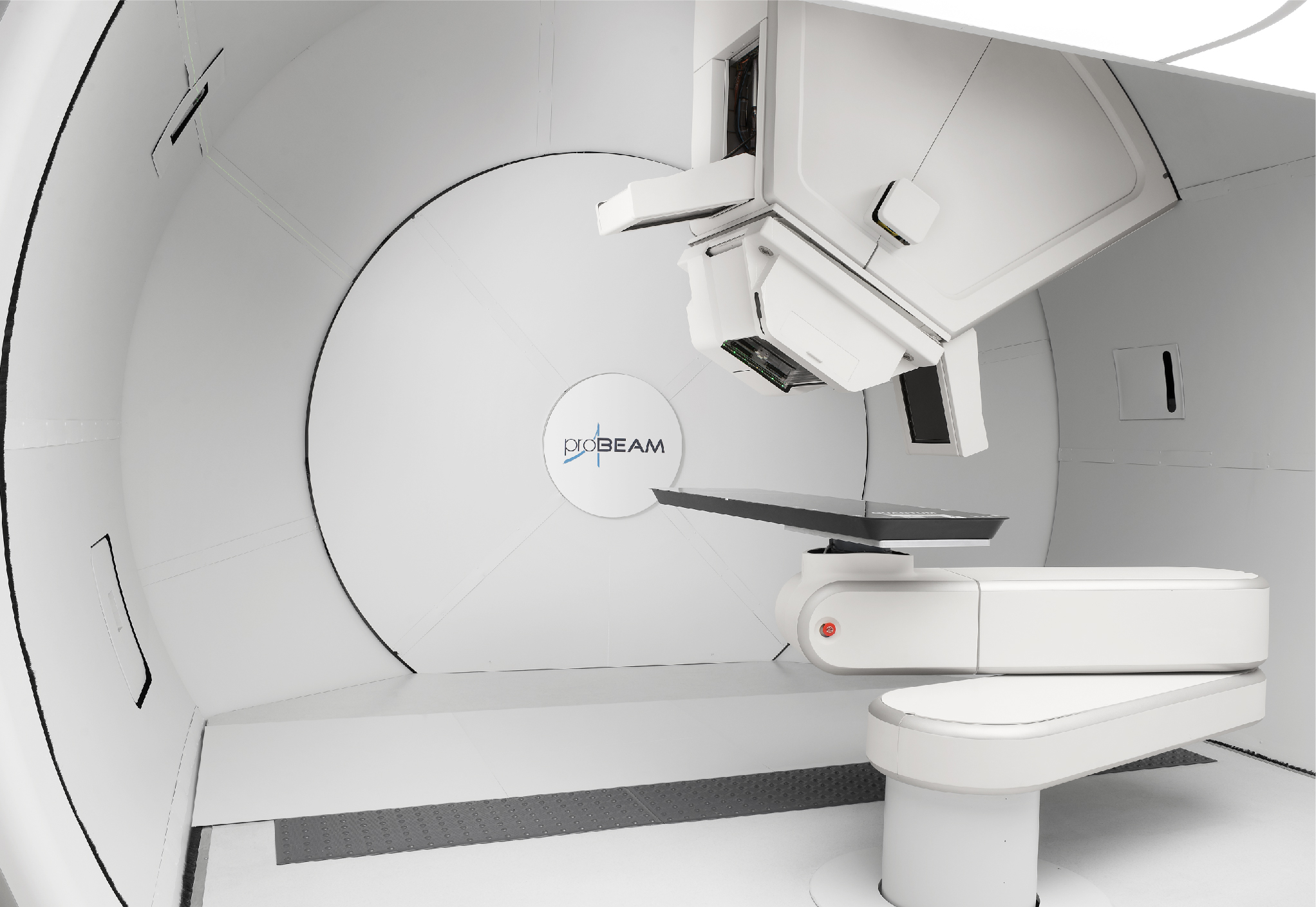
In China, NSCLC patients with EGFR mutations are treated with 3rd-generation TKIs (Osimertinib). High PD-L1 patients are considered for immunotherapy (Nivolumab, Pembrolizumab). Proton therapy at Concord Guangzhou is an option for early-stage inoperable lung cancer. CAR-T and advanced combination protocols are under active research at GoBroad.
Disclaimer
Information is for reference only. Diagnosis and treatment protocols are determined by oncology and respiratory specialists.
Related Images