
Traditional Chinese Medicine: Acupuncture + Tuina, The Dynamic Duo for Modern Ailments
November 24, 2025
Combining acupuncture and tuina eases musculoskeletal pain, insomnia and facial paralysis; one study raised sleep efficiency from 68% to 89%.
Neck and shoulder stiffness from prolonged sitting, sleepless nights due to staying up late, sudden facial paralysis disrupting daily life… In fast-paced modern life, musculoskeletal strain, insomnia, facial paralysis and other common health issues trouble many people.
To address these complex and personalized health needs, external therapies of Traditional Chinese Medicine (TCM) offer a green, holistic rehabilitation path with unique advantages of holism and individualization. The newly released 2026 Integrated Application Guidelines for TCM External Therapies clearly states that combined acupuncture and tuina improves cure rates for musculoskeletal injuries by 42%, achieves an 85%+ effective rate for insomnia, and shortens facial paralysis recovery by 30%. Behind these figures lies the millennia-old inheritance and modern innovation of TCM's philosophy of "treating both interior and exterior."
1. Musculoskeletal Injuries: Precise Repair from "Releasing Fascia" to "Unblocking Vessels"
The Huangdi Neijing states: "Bones are the trunk, vessels nourish, tendons strengthen, muscles form the barrier." A healthy musculoskeletal system relies on the coordinated function of tendons, bones, vessels and muscles.
Modern issues like cervical spondylosis and lumbar disc herniation caused by prolonged sitting and poor posture are essentially fascia adhesion and meridian obstruction.
- Tuina: Uses pressing, kneading, pushing and grasping to release muscle spasms and improve local microcirculation.
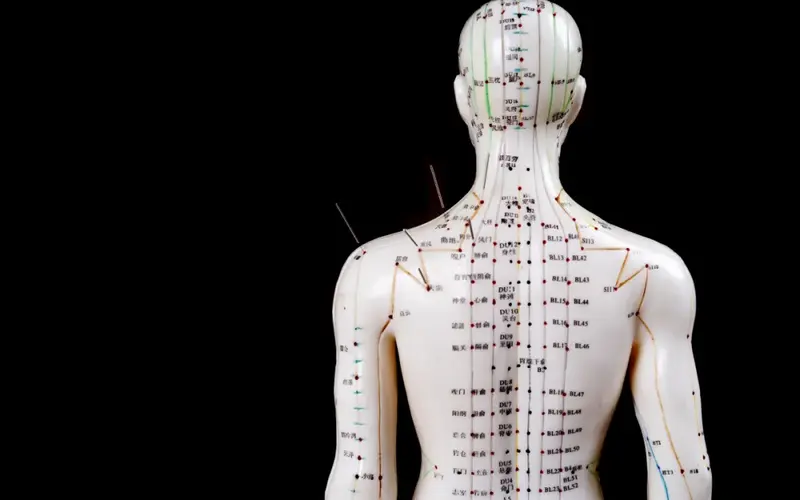
- Acupuncture: Stimulates acupoints precisely to regulate qi and blood circulation and promote tissue repair.
Together they act like "loosening soil" and "irrigating": tuina opens pathways for acupuncture; acupuncture consolidates the effects of tuina.
Clinical Case
A programmer with long-term desk work suffered limited neck movement and right upper limb numbness, diagnosed as "qi stagnation and blood stasis with blocked meridians."
Treatment: Rolling technique to relax the trapezius → plucking to release the neck splenius → acupuncture at Fengchi, Tianzhu, and neck Jiaji points with sparse-dense wave electrostimulation.
After 3 sessions: neck rotation improved from 30° to 70°, and numbness resolved.
2026 Guideline Highlights
First proposed "Fascia-Meridian Dual-Target Therapy":
- Tuina integrates fascial chain theory to release the sternocleidomastoid, scalenes and other nerve-compressing muscles.
- Acupuncture uses "Three-Line Point Selection" to form a 3D stimulation network.
2. Insomnia: Mind-Body Treatment from "Regulating Spirit" to "Calming the Soul"
About 30% of the global population suffers from insomnia. In TCM, it is called "Bu Mei" (no sleep). The core pathogenesis is "yang failing to enter yin," closely related to heart-spleen deficiency and liver stagnation transforming into fire.
- Tuina: Massages Shenmen, Neiguan, Sanyinjiao to soothe nerves and induce sleep.
- Acupuncture: Stimulates Baihui, Shenmen, Anmian to regulate the HPA axis and improve sleep structure.
A multi-center study of 200 chronic insomnia patients showed:
- Combined acupuncture-tuina group: sleep efficiency rose from 68% to 89%
- Tuina alone: 74%; Acupuncture alone: 78%
Auricular point pressing (Shenmen, Heart, Subcortex) + body acupuncture shortened sleep onset to <15 minutes.
Guideline Breakthrough
For elderly insomnia: "scalp acupuncture + body acupuncture + tuina" triple therapy
- Scalp acupuncture regulates cerebral cortex excitability
- Body acupuncture harmonizes zang-fu qi and blood
- Tuina relaxes neck and shoulder muscles
Result: deep sleep increased by 1.2 hours per night.
3. Scientific Explanation of Synergistic Effects
Combined acupuncture and tuina is a perfect integration of energy regulation and structural repair:
- Neuroendocrine level: Tuina activates Aβ nerve fibers to inhibit pain signals; acupuncture releases endorphins and serotonin for "tuina analgesia + acupuncture mind regulation."
- Microcirculation level: Tuina increases local blood flow by 300%; acupuncture regulates vascular endothelium to prolong effects.
- Musculoskeletal level: Tuina releases fascial adhesions for safer needle insertion; acupuncture inhibits spasm-related genes to consolidate results.
This synergy aligns with TCM holism: the human body is an integrated organism, and local lesions require systemic regulation.
4. Three Principles for Safe Practice
- Treatment Based on Syndrome Differentiation: For insomnia due to heart-spleen deficiency, tuina focuses on Xinshu and Pishu points.
- Optimized Sequence: Most cases: tuina first, then acupuncture. Acute pain: acupuncture first for quick relief, then tuina to consolidate.
- Contraindication Avoidance: Tuina is prohibited in skin infection and coagulation disorders. Acupuncture requires caution in pregnancy (lumbosacral area) and advanced malignant tumors.
From the "superior doctors prevent disease" in the Huangdi Neijing to modern integrated guidelines, combined acupuncture and tuina redefines TCM external therapy with a 1+1>2 effect.
When millennial wisdom meets modern science, TCM is no longer just a "slow healer" but a pioneer for musculoskeletal pain, insomnia, facial paralysis and modern health challenges.
Related Images