
Bigger Belly, Sicker Heart: How Obesity Silently Damages the Heart
December 22, 2025
Obesity is not just a cosmetic issue. Excess fat overloads the heart, driving heart failure and heart attacks. Managing weight is key to protecting your heart.
Eating too much, moving too little, a creeping waistline and rising weight — many people see obesity only as a cosmetic concern, ignoring its most dangerous effect: obesity constantly damages the heart.
Excess fat raises cardiovascular strain, injures heart muscle, and quietly sets the stage for heart failure and heart attack. Managing weight is a key step in protecting your heart.
When Obesity Breaks the Heart: A Middle-Aged Man's Heart Attack
Mr. Xu, 55, height 168 cm, weight 95 kg, BMI 33.65 kg/m2, waistline over 100 cm — classic abdominal obesity. He ate high-fat, high-sugar food, rarely exercised, and suffered heavy snoring with nighttime awakenings, which he ignored.
For six months he had frequent chest tightness and shortness of breath. One night he woke with crushing chest pain and profuse sweating. He was rushed to the Da Yunhe Campus of Sir Run Run Shaw Hospital, Zhejiang University School of Medicine.
Coronary angiography showed complete occlusion of the right coronary artery. Diagnosis: acute myocardial infarction, cardiogenic shock, severe heart dysfunction.
After emergency cardiac intervention and gradual loss of 12 kg, his heart function recovered, and his snoring and chest tightness eased significantly. Doctors called it a typical case of chronic heart overload — any delay would have carried a high risk of sudden death.
Obesity Plus Snoring: The Heart's Nighttime Killer
Many people think snoring means deep sleep. For overweight people, it may signal obstructive sleep apnea (OSA) — a hidden nighttime threat to the heart.
Excess neck fat acts like a noose, compressing the airway. At night, relaxed muscles cause repeated airway collapse: breathing pauses hundreds of times nightly, up to 50 seconds each — repeated cycles of hypoxia, near-suffocation and awakening.
This intermittent nighttime hypoxia:
- Raises the heart's workload
- Triggers sympathetic overactivity
- Causes nocturnal hypertension and arrhythmias
- Increases the risk of sudden death
Data: OSA patients have nearly twice the risk of cardiovascular disease; obese people are 5-7 times more likely to have OSA.
Red flags: snoring with breathing pauses, nighttime awakenings, morning dry mouth or headache, and daytime exhaustion. Get a polysomnogram (PSG) at a sleep center — early screening and intervention prevent ongoing hypoxic heart damage.
High Blood Pressure and High Blood Sugar: Obesity's Direct Assault on the Heart
Excess weight disrupts metabolism. Hypertension and hyperglycemia are obesity's main weapons against the heart, creating triple stress.
Blood pressure
Extra fat increases blood volume, constricts vessels, and releases inflammatory factors that damage vessel walls, reducing elasticity and causing hypertension. Worse still, obese OSA patients often have nocturnal or early-morning hypertension that resists standard medication.
- At BMI over 26.0 kg/m2, carotid intima-media thickness (CIMT) rises — an early marker of hidden cardiovascular damage.
Blood sugar
Obesity drives insulin resistance, leading to type 2 diabetes. Diabetic cardiomyopathy directly injures heart muscle, weakening its pumping function.
- ESC research: obesity combined with type 2 diabetes sharply increases the risk of coronary heart disease and heart attack, accelerating atherosclerosis.
Advice: overweight people should check blood pressure, fasting glucose and HbA1c every 3-6 months. Seek care if blood pressure reaches 140/90 mmHg or higher, or fasting glucose reaches 7.0 mmol/L or higher.
Silent Harm: How Obesity Remodels the Heart
"No chest pain, no shortness of breath means a healthy heart" is a dangerous myth. Obesity damages the heart silently, often progressing to advanced stages before symptoms appear.
- More than 36% of obese Chinese adults have undiagnosed structural or functional heart abnormalities.
- Late signs — fatigue on exertion, chest tightness, nighttime orthopnea, ankle swelling — mean the heart's reserve is nearly gone and the damage is irreversible.
Key advice: people with BMI of 28 kg/m2 or higher should have regular echocardiograms, assessing left ventricular ejection fraction (LVEF) and BNP. Mild dysfunction often improves with weight loss.
Obesity: A Hidden Trigger for Stroke and Heart Attack
Obesity is an independent risk factor for cardiovascular disease. Even with normal lipids and blood pressure, risk remains elevated.
Abdominal obesity is the most dangerous:
- Each additional 1 cm of waistline raises coronary heart disease risk by 2.5%.
- Obese people have a 48% higher heart attack risk than normal-weight individuals.
Why? Visceral fat releases pro-inflammatory factors that stimulate vessel-wall growth and lipid buildup, forming atherosclerotic plaques. When plaques rupture they trigger clots that block heart or brain vessels, causing heart attacks or strokes.
Protection: monitor lipids and have regular carotid ultrasounds to detect plaque. Treat early to prevent progression.
30-Second Self-Test: Do You Have Harmful Obesity?
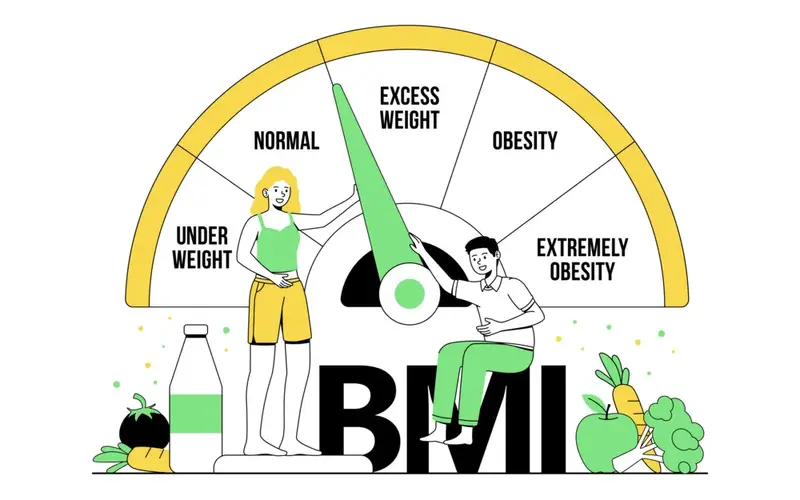
Quick check via BMI plus waistline:
- Calculate BMI = weight (kg) / height squared (m).
- Overweight: BMI 24 to under 28.
- Obese: BMI 28 or higher.
- Measure waistline at navel level, standing, breathing relaxed.
- Men: 90 cm or more.
- Women: 85 cm or more.
Either result means excess weight — watch for heart and systemic health risks.
Obesity Is Reversible: Your Heart Health Is in Your Hands
Obesity is treatable. Protecting your heart does not require rapid weight loss. Gradual diet changes, regular exercise and medical guidance reduce heart strain over time.
Let go of the myth that weight is only about looks. Beat the hidden risks of obesity, protect your heart, and live healthily.
Related Images