Quick Conception vs. Prolonged Infertility: Hidden Factors That Affect Pregnancy
June 12, 2026
Ovarian cysts, fibroids, PCOS, endometrial and hormonal issues, and sperm quality can quietly hinder conception. Upgraded pre-pregnancy checkups help couples prepare well.
When it comes to conception, some couples get pregnant easily, while others struggle with prolonged infertility. Pregnancy relies on sophisticated bodily coordination, and many minor underlying issues can hinder it — such as unstable sperm quality in men and an abnormal endometrium in women.
Minor Conditions That Affect Conception
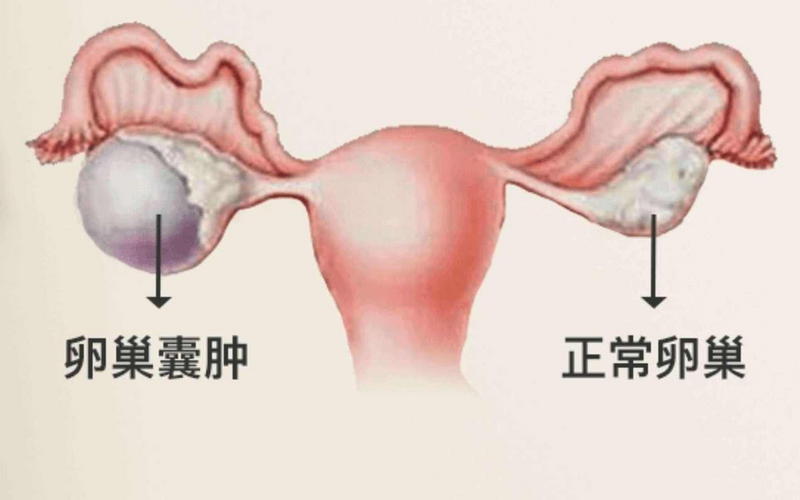
Ovarian Cysts
Ovarian cysts are mostly benign physiological lesions resembling small blisters on the ovaries. During pregnancy preparation, doctors monitor cyst changes via ultrasound. Only large cysts that disrupt ovulation require minimally invasive laparoscopic surgery, after which natural conception can be attempted soon.
Uterine Fibroids
Their impact on pregnancy depends largely on location and type. Most fibroids pose no threat, but submucosal fibroids require surgical removal regardless of size, as they severely interfere with conception.
Polycystic Ovary Syndrome (PCOS)
This condition features numerous underdeveloped follicles that fail to mature into dominant ones. Typical symptoms include oligomenorrhea, polycystic ovarian morphology, and ovulation disorders. Not all PCOS patients are infertile; most can conceive with hormone regulation and ovulation induction.
Declined Fertility
Fertility is closely linked to age, lifestyle, and diet. Male issues include low sperm count, poor motility, a high abnormal sperm rate, and varicocele. Female problems mainly involve premature ovarian failure. Comprehensive assessments — ovarian reserve tests, sex hormone panels, and semen analysis — help formulate targeted fertility plans.
Endocrine Disorders
A balanced endocrine system is essential for conception. Thyroid dysfunction, for instance, may lead to embryo arrest and miscarriage. Pre-conception TSH screening is recommended, and medication can effectively manage abnormal thyroid conditions.
Abnormal Endometrium
The endometrium is the site for embryo implantation. A thickness of 8–14 mm is ideal; an endometrium that is too thin or too thick hinders implantation. Other risks include endometritis, endometriosis, and endometrial polyps. Since endometrial status fluctuates with the menstrual cycle, one abnormal result is not a cause for alarm. Persistent anomalies can be treated via hysteroscopy.
Gynecological Inflammation
Cervicitis and vaginitis reduce sperm motility and cause infertility. Vaginitis during pregnancy may also lead to fetal infection. It is advised to fully cure inflammation before trying to conceive.
Upgraded Scientific Pre-conception Care
A thorough pre-conception checkup is the first step toward a healthy pregnancy. Backed by experienced gynecologists and reproductive specialists, Amcare has upgraded its pre-pregnancy packages to deliver more thoughtful and accurate screening tailored to different groups.
- First-time conception seekers with no medical history: start with basic pre-conception tests. Doctors create personalized plans and provide professional prenatal guidance based on the results and consultations.
- Couples with over one year of failed conception or an adverse pregnancy history: undergo in-depth screenings including tubal patency tests, antibody screening, and uterine cavity evaluation. The enhanced comprehensive package adds liver and kidney function tests, blood lipid and blood sugar tests, Anti-Müllerian Hormone (AMH) tests for women, and sperm DNA fragmentation index tests for men, helping couples fully understand their physical condition.
Related Images