Proton Therapy: A Mature and Safe Technology
July 07, 2026
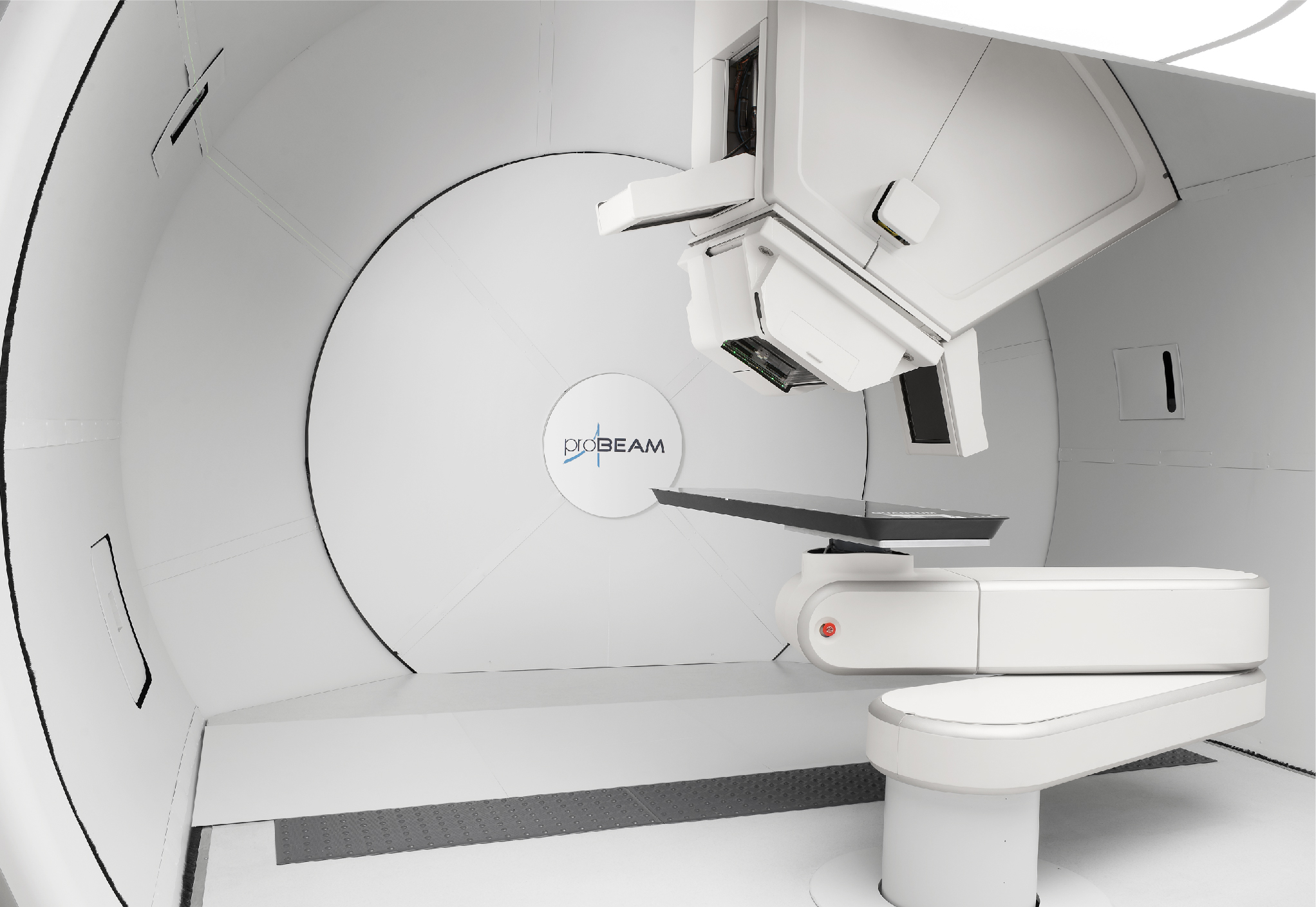
Proton therapy uses high-energy proton beams with the Bragg Peak effect to concentrate the radiation dose on the tumor while minimizing damage to surrounding healthy tissue.
Proton therapy, also known as proton beam therapy, is an advanced radiotherapy technique that uses high-energy proton beams to treat cancer.
Unlike traditional radiotherapy, which employs X-rays or gamma rays, proton beams exhibit a unique energy deposition pattern in matter. They deliver a lower dose as they enter the body and release most of their energy at a specific depth, known as the Bragg Peak. This effect allows proton therapy to precisely concentrate a higher radiation dose on the tumor while minimizing damage to surrounding healthy tissues, achieving targeted "precision bombing" of cancer cells.
Diseases That Can Benefit from Proton Therapy
Proton therapy is generally suitable for all patients who are candidates for radiotherapy. It offers significant benefits for most solid tumors without distant metastasis, including but not limited to head and neck tumors, central nervous system tumors, thoracic tumors, breast cancer and gynecological tumors, gastrointestinal tumors, and genitourinary tumors. (Space permits only a partial list.)
Head & Neck Cancer:
- 27% risk reduction of a feeding tube for oropharyngeal cancer
- 44% relative increase in 5-year survival rate for nasal and paranasal sinus cavity cancers
Esophageal Cancer:
- 10% increase in 5-year overall survival rate for stage I-III
- 10% increase in 5-year local cancer control for stage II-III
Breast Cancer:
- 88% less radiation dose to the heart for left-sided breast cancer
- 44% reduction in clinically significant radiation doses to the lung
- 90% of partial breast irradiation cases result in good to excellent cosmetic outcomes over 5 years
Liver Cancer:
- 35% relative increase in 5-year overall survival rate for stage II-III
- 56% relative reduction in serious (grade 3) pain with swallowing (esophagitis)
- Up to 4-week reduction in treatment time for select cases
Sinonasal/Nasal Cavity Cancer:
- 38% relative improvement in 5-year overall survival rate
Nasopharyngeal Cancer:
- 60% reduction in the need for nasogastric tube feeding
Interested in proton therapy or China's leading proton therapy centers? Contact us or visit www.medtourchina.net to discover more.
Related Images