New Hope for Parkinson's Patients: BDG Performs China's First Implant of Innovative Brain Pacemaker
December 29, 2025
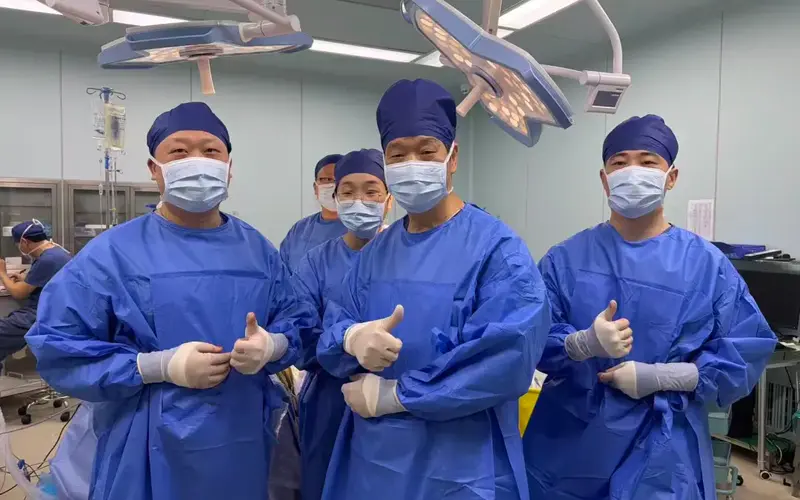
On May 22, 75-year-old Mr. Qiu underwent China's first DBS implant using an 8-contact electrode paired with the G108R brain pacemaker at Shanghai BDG Brain Hospital.
On May 22, 75-year-old Mr. Qiu from Zhejiang successfully underwent a groundbreaking procedure at Shanghai BDG Brain Hospital: China's first implantation of a deep brain stimulation (DBS) system using an 8-contact electrode paired with the new G108R brain pacemaker. This marks another major breakthrough in personalized Parkinson's treatment at our hospital.
When Medication Fails: 15 Years of Struggle
Mr. Qiu has lived with Parkinson's disease for 15 years. Early treatment with Madopar effectively controlled his symptoms. As the disease progressed, he developed severe dyskinesia and freezing of gait, with medication effectiveness dropping from 4–5 hours to just 2–3 hours per dose. His family saw new hope when DBS surgery was recommended.
8-Contact Electrode: A Leap from Single- to Multi-Loop Stimulation
DBS is more than just implanting a pacemaker; it requires personalized stimulation strategies.
The 8-contact electrode used in this surgery is a first in China.
Unlike traditional 4-contact electrodes that only target the subthalamic nucleus, the 8-contact design allows stimulation of the substantia nigra and zona incerta as well, achieving multi-loop neuromodulation to better relieve freezing gait and dyskinesia.
G108R: Next-Gen Brain Pacemaker Highlights
- Ultra-light and thin: Only 25g, 7.6mm thick, 43% smaller than previous models
- Fast charging: 20–30 minutes weekly for full daily operation
- Broad compatibility: Works with multiple electrode types
- Smart sensing: Real-time EEG, movement and sleep monitoring; MRI-compatible; ready for future closed-loop stimulation
Beyond Surgery: A Full Parkinson's Care Ecosystem
BDG provides lifetime, multidisciplinary care — from diagnosis, surgery and rehabilitation to long-term management. The team addresses not only motor symptoms but also non-motor issues such as constipation and sleep disorders (affecting 80% of patients). The goal is full functional recovery, not just partial symptom relief.
Related Images