Lutetium-177 Radioligand Therapy for Advanced Prostate Cancer
November 16, 2025
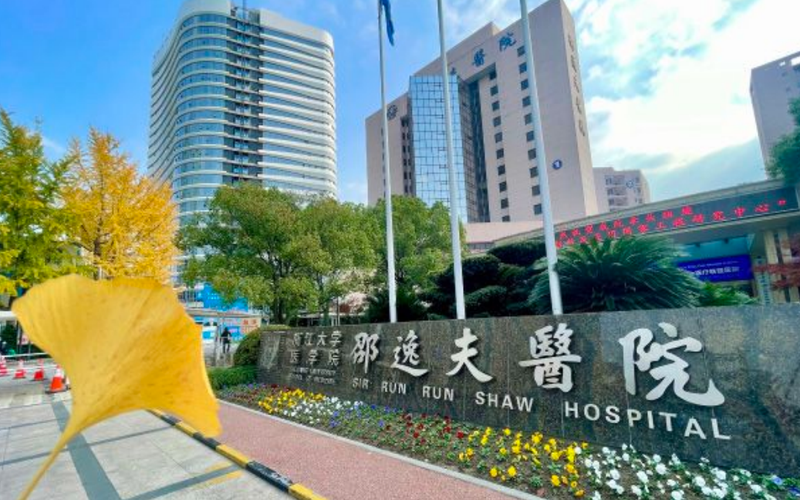
Sir Run Run Shaw Hospital of Zhejiang University delivered its first Lutetium-177 radioligand therapy to a patient with metastatic castration-resistant prostate cancer.
A team led by Chief Physician Chen Yicheng from the Department of Urology at Sir Run Run Shaw Hospital of Zhejiang University, with a multidisciplinary team (MDT) spanning Nuclear Medicine, Medical Oncology and Radiology, administered Lutetium-177 Tixivapitide Injection (radioligand therapy) to a patient in his seventies with prostate cancer. This first case marks a new era of integrated nuclear medicine diagnosis and treatment for advanced prostate cancer in Zhejiang and surrounding regions.
Severe Bone Metastases and Treatment Deadlock
Mr. Zhang had prostate cancer for years and undergone standard treatments including surgery and endocrine therapy. However, the disease progressed to metastatic castration-resistant prostate cancer (mCRPC) with extensive bone metastases. Excruciating bone pain severely disrupted his sleep and quality of life. After rigorous joint evaluation, the MDT designed an internationally advanced Lutetium-177 targeted nuclear medicine therapy plan.
Precision "Cruise Missile" Targets Cancer Cells
Chief Physician Chen Yicheng describes Lutetium-177 as a precision-guided cruise missile. It uses Prostate-Specific Membrane Antigen (PSMA) as the target, with specific binding molecules acting as guides to identify tumor lesions throughout the body. The radionuclide Lutetium-177 travels through the bloodstream directly into tumor tissue and emits beta rays with a range of only about 2 mm, destroying cancer cell DNA inside tumors while maximally protecting surrounding healthy tissue. Compared with conventional chemotherapy, it has better tolerance and milder adverse reactions, significantly reduces PSA levels, prolongs overall survival, and provides outstanding pain relief for bone metastases.
MDT Collaboration Builds a Standardized System
The Urology Department, together with Nuclear Medicine, Medical Oncology and Radiology, established a full-process standardized system covering preoperative evaluation, regimen design, treatment delivery and postoperative management. Led by Chief Physician Chen Yicheng, a renowned expert in urologic oncology and minimally invasive robotic surgery, the team focuses on innovative precision treatment for prostate cancer. The Department of Urology is a leading minimally invasive center in China, performing 14,000 surgeries annually including 1,200 robotic procedures, and leading multiple clinical trials of innovative prostate cancer drugs and robotic operations.
Bringing World-Class Care Locally
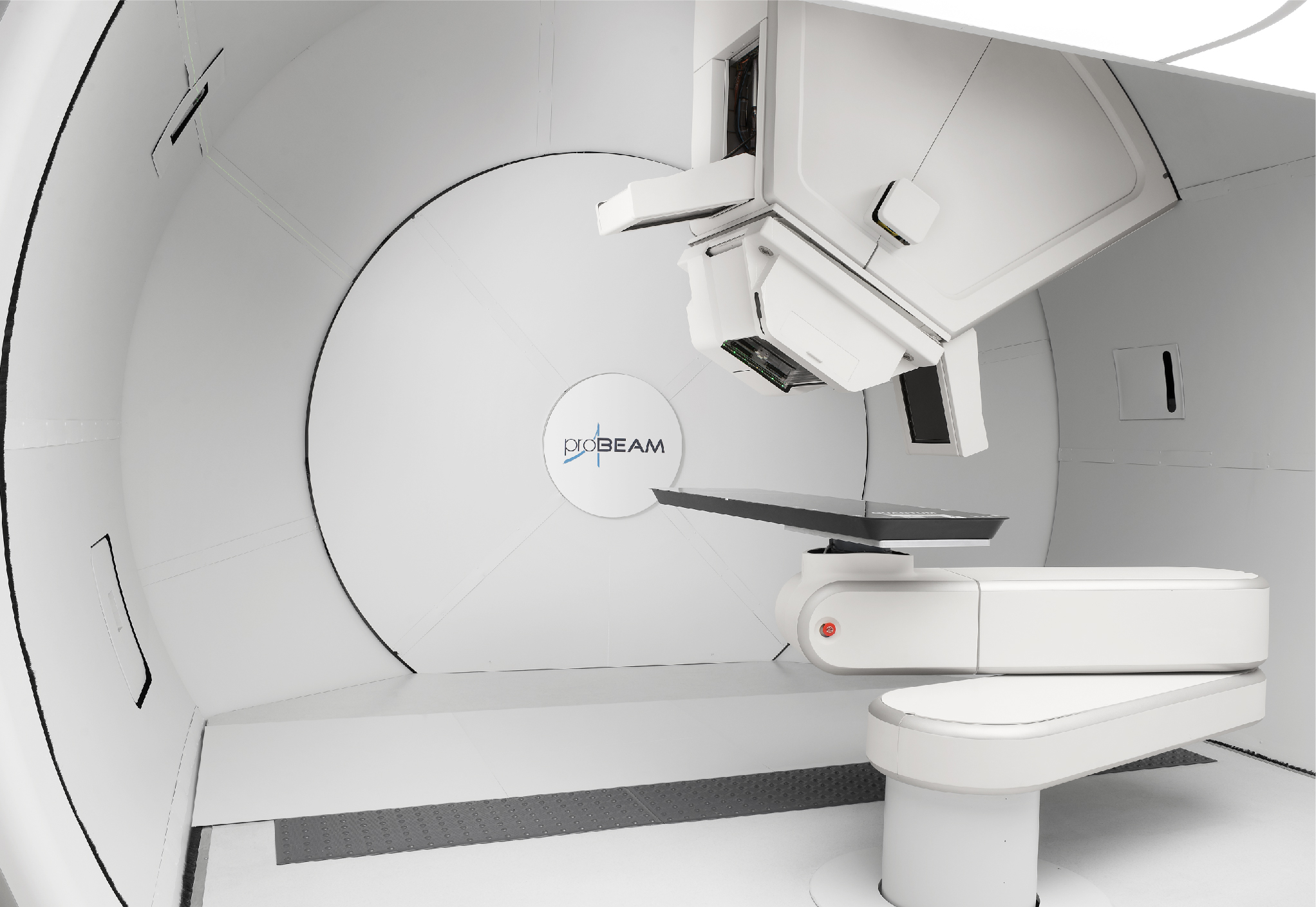
"We aim not only to introduce top-tier international drugs and technologies but also to build localized, standardized procedures so that advanced care truly benefits the public," said Chief Physician Chen Yicheng. The hospital will continue promoting standardized use of Lutetium-177 and other targeted nuclear medicine therapies. Its upcoming Proton Therapy Center will synergize with minimally invasive surgery and novel drugs to improve cure rates and extend survival. This deep integration of nuclear medicine and precision oncology indicates that advanced prostate cancer, once considered incurable, is gradually becoming a controllable, manageable chronic disease.
Related Images