
Is Cancer Targeting Young People? Key Cancer Prevention Tips for Men and Women
December 23, 2025
National Cancer Center data (2024): those aged 15–39 make up ~5% of new cancer cases and rising. Thyroid, breast, leukemia, lymphoma and colorectal cancers are common in the young.
Many people think cancer only affects the elderly, and some believe women are safer. In reality, neither is true.
Who does cancer favor most? How should different genders prevent it? What should young people watch out for? Today, we discuss these questions with authoritative data.
Cancer Is Affecting Younger People
Data released by the National Cancer Center (2024) shows that young people aged 15–39 account for about 5% of all new cancer cases. While the incidence rate is relatively low, it is rising year by year.
Common cancers among young people:
- Thyroid cancer
- Breast cancer
- Leukemia
- Lymphoma
- Colorectal cancer
Cancers Becoming More Common in Young People
Colorectal cancer
- Patients under 30: rose from 1.7% to 3.5% in a decade
- Aged 20–40: exceeds 15% of all colorectal cancer cases
Thyroid and breast cancer
- Fastest-rising incidence in women under 35
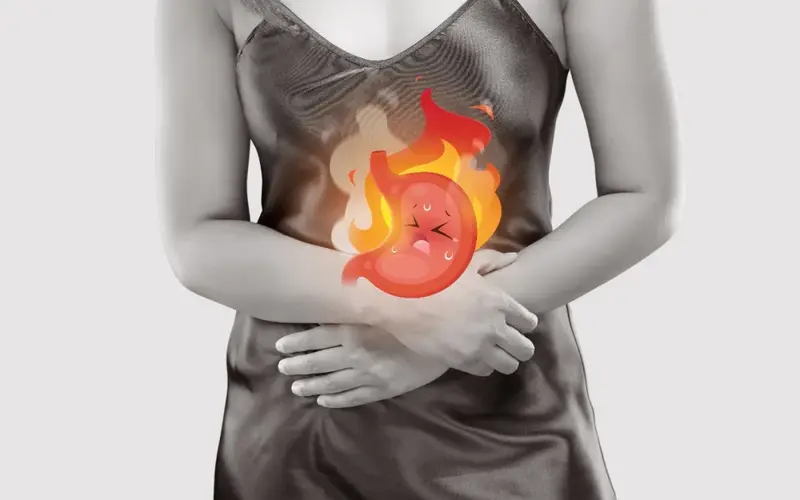
Gastric cancer
- Incidence in 19–35-year-olds has doubled in 30 years
- Youngest recorded patient: 13 years old
Why Are Young People More Vulnerable?
Besides genetics, risk is strongly linked to unhealthy lifestyles:
- Chronic stress
- High-oil, high-salt, high-sugar takeout
- Sedentary behavior, lack of exercise
- Irregular sleep, staying up late
- Ignoring symptoms and skipping early screening
Youth does not equal immunity from cancer — many risks are just dormant.
Who Has Higher Cancer Risk: Men or Women?
Overall, men have higher incidence and mortality rates.
- Male cancer incidence: 212.67 / 100,000
- Female cancer incidence: 208.08 / 100,000
- Annual cancer deaths: men roughly twice as many as women
Key Cancers for Men
Lung, colorectal, liver, gastric, esophageal, prostate…
- Lung cancer: 62% male patients; top cause of cancer death in men, linked to smoking, drinking, heavy socializing, and ignoring symptoms.
Key Cancers for Women
- Breast cancer: nearly 1 in 6 female cancer patients; peak age 45–55
- Thyroid cancer: rising sharply, now 3rd most common female cancer
- Cervical cancer: mainly caused by persistent HPV infection; only vaccine-preventable cancer
Important note: Over the past 15–20 years, lung cancer incidence has risen in young non-smoking women, especially in East Asia. Likely linked to environmental exposure (kitchen fumes, PM2.5), gene mutations, and hormonal susceptibility.
Prevention tip: Minimize kitchen fumes — use efficient range hoods, reduce stir-frying/deep-frying, keep kitchens ventilated, and use air purifiers indoors.
Cancer Prevention and Screening by Age and Gender
Early detection + early treatment saves lives. Early-stage cancer cure rates are far higher than late-stage.
- Early gastric cancer: 80–90% 5-year survival
- Advanced gastric cancer: <20% 5-year survival
Cancer prevention relies on healthy habits + scientific screening, not luck.
5 Habits for Everyone
- Eat well: More vegetables; less barbecue, processed/pickled meats, sweet drinks.
- Move daily: 150 mins/week brisk walking/jogging; avoid prolonged sitting.
- Sleep enough: 7–8 hours/night; chronic sleep loss raises cancer risk.
- No smoking/drinking: Smoking increases lung cancer risk 15–30x; alcohol damages the liver directly.
- See a doctor early: Check promptly for blood in stool, sudden weight loss, persistent cough, etc.
Screening for Men
- After 40: Annual low-dose chest CT (regular X-rays miss early lung cancer)
- After 40: Colonoscopy + gastroscopy every 5 years
- After 50: Add prostate PSA test
Screening for Women
- 25–30: HPV + TCT cervical screening every 3–5 years
- Before 40: Monthly breast self-exam; annual breast + thyroid ultrasound (high-risk groups)
- After 40: Add mammogram
- 9–45: Get HPV vaccine as early as possible
- After 45: Colonoscopy + gastroscopy every 5 years
Final Message
30–50% of cancers are preventable.
Cancer prevention is not just for the elderly or the sick — it's small daily choices for everyone.
- One less bubble tea
- One hour earlier to bed
- One reliable checkup per year
These work better than any supplements. Don't wait for symptoms to care for your health — protect it early.
Related Images