
Cancer Screening in China for Foreign Travelers 2026: Why China Is Becoming a Top Destination
December 19, 2025
China's top hospitals offer PET-CT, tumor markers and endoscopic cancer screening at JCI-accredited centers, in English, at a fraction of Western prices.
The Short Answer: China Has Invested Heavily in Cancer Detection
Cancer screening is one of the most important health decisions a person can make. Where to get screened — and whether international standards of accuracy and comprehensiveness are available outside Western hospitals — is a question frequent travelers, expats and medical tourists ask often.
The answer gaining traction: China, and specifically the premium international hospitals in major Chinese cities.
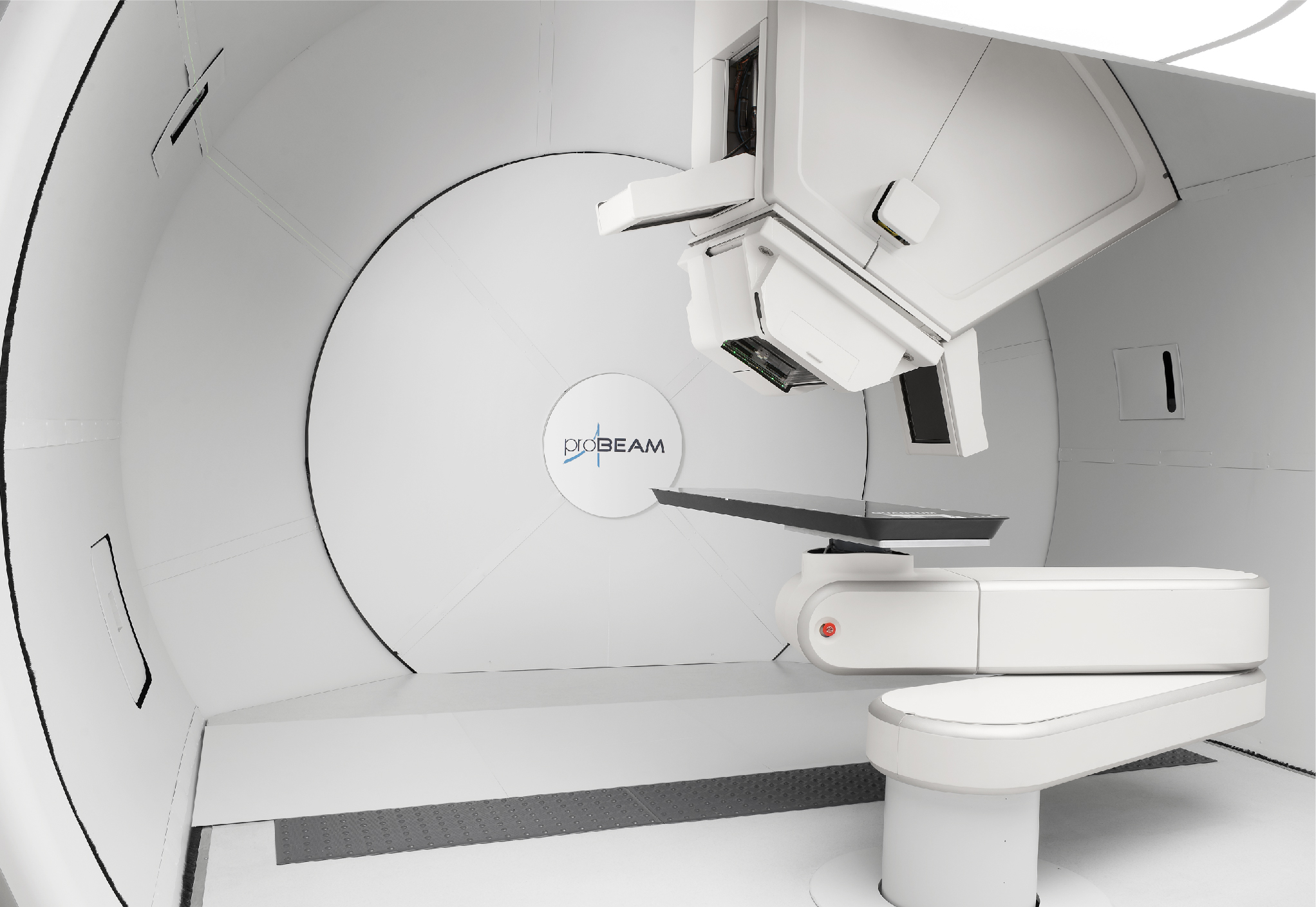
Over the past decade, China's top hospitals have invested heavily in advanced imaging — particularly PET-CT, low-dose whole-body CT and high-field MRI — often acquiring equipment that Western hospitals take years to approve and fund. They have built specialized oncology screening centers with multidisciplinary teams trained in both Western and Asian cancer profiles, at a cost structure that makes comprehensive tumor screening genuinely affordable for international patients.
A full-body cancer screening that might cost USD 4,000-8,000 in the United States, Singapore or Europe is available at JCI-accredited hospitals in Beijing, Shanghai and Xi'an for USD 1,500-5,000 — including interpreter services and English medical reports.
This article covers what comprehensive cancer screening in China actually looks like in 2026: what tests are available, which hospitals offer them, what they cost, and what the experience is like for international patients.
Why China for Cancer Screening? Three Structural Advantages
1. Massive volume and specialized expertise. China's top oncology hospitals see enormous patient volumes. A single large cancer hospital in Beijing may see more cases in a year than an equivalent Western hospital sees in a decade. This creates depth of expertise — radiologists and oncologists specializing in early tumor detection, pattern recognition across Asian and global cancer profiles, and rapid diagnostic turnaround. For cancer screening, experience matters.
2. Advanced imaging technology at accessible prices. PET-CT scanners, 3.0T MRI machines and 256-slice CT scanners — the same equipment found in top Western cancer centers — are widely available at major Chinese hospitals. The cost is significantly lower, translating to world-class imaging at a fraction of Western prices.
3. Asian cancer profiles are a clinical strength. Some patients worry Chinese hospitals may not catch cancers common in other populations. In practice the opposite is true. China's top oncology centers see a wide range of cancers, and their specialists are trained in both Asian-prevalent cancers (gastric, liver, esophageal) and globally common cancers (lung, colorectal, breast, prostate). For screening, range matters more than geographic specificity.
What Does Comprehensive Cancer Screening Include?
Tumor Markers (Blood Tests)
Tumor markers are proteins or substances in the blood that may be elevated when certain cancers are present. They are not definitive diagnostics on their own, but they are powerful screening signals. Common markers in Chinese health packages include:
- AFP (alpha-fetoprotein): liver cancer, testicular cancer — widely used in Asia due to higher liver cancer prevalence.
- CEA (carcinoembryonic antigen): colorectal, gastric, breast, lung — a broad-spectrum marker.
- CA19-9: pancreatic, gastric, biliary — important for the upper GI tract.
- CA125: ovarian cancer — standard for women.
- CA15-3: breast cancer — standard for women.
- PSA / Free PSA: prostate cancer — standard for men over 40.
- SCC: squamous cell carcinoma (lung, cervical, esophageal) — often in higher-tier packages.
- CYFRA21-1: lung cancer — often in advanced respiratory screening.
- Pepsinogen I/II ratio: gastric cancer risk — a non-invasive indicator.
Imaging
Imaging is where cancer screening gets serious. Blood markers raise suspicion; imaging confirms or rules out.
- Abdominal ultrasound: standard in all comprehensive packages. Screens liver, gallbladder, pancreas, spleen and kidneys for masses, cysts or structural abnormalities. Non-invasive and radiation-free.
- Low-dose chest CT: standard in most executive packages. Far more sensitive than chest X-ray for early lung nodules and lung cancer — the world's most common cancer — with much less radiation than a standard CT. For smokers, former smokers and anyone over 45, one of the most valuable screening tools available.
- Brain MRI (1.5T or 3.0T): screens for brain tumors, aneurysms and vascular abnormalities, with no ionizing radiation.
- Brain MRA (magnetic resonance angiography): screens the brain's blood vessels for aneurysms, stenosis or malformations.
- Coronary CTA: advanced cardiac imaging that also shows the aorta and pulmonary vessels; used in higher tiers to screen cardiovascular disease alongside cancer.
- Whole-body PET-CT: the most advanced imaging tool. It combines metabolic imaging (PET) with anatomical imaging (CT) to detect abnormal cellular activity throughout the body — identifying tumors, metastases and precancerous changes before they appear on conventional CT or MRI. It is the gold standard for comprehensive cancer screening, available at a fraction of Western prices in China's top hospitals.
Who should consider PET-CT? Anyone with a family history of cancer; smokers or former heavy smokers; anyone over 50 having a comprehensive screening; people with unexplained weight loss, chronic fatigue or other vague, unexplained symptoms.
Endoscopy
Endoscopy allows direct visualization of the GI tract — the most sensitive tool for detecting gastric and colorectal cancers.
- Gastroscopy: a thin camera passes through the mouth into the stomach, allowing direct view of the gastric mucosa and detection of ulcers, gastritis and tumors. In Asia, where gastric cancer is far more prevalent than in Western populations, it is important for anyone over 45 or with a family history. Painless gastroscopy under light sedation is available at all major Chinese hospitals serving international patients.
- Colonoscopy: a thin camera passes through the rectum into the colon, detecting polyps, colorectal cancer and inflammatory bowel disease. Recommended for everyone over 50, and for younger people with a family history.
- The dual scope (gastroscopy plus colonoscopy in a single sedated session) is the most comprehensive GI cancer screening available.
Which Cities and Hospitals Offer Cancer Screening?
Xi'an — Best for PET-CT and Advanced Deep Screening
Xi'an International Medical Center (XIMC) is the strongest option for the most comprehensive screening in China. Package D (USD 5,000) includes whole-body PET-CT plus genetic testing and gut flora analysis. Package E (USD 6,700) adds painless dual-scope gastroscopy and colonoscopy, creating the most thorough combination available. XIMC is JCI-accredited and a Mayo Clinic Care Network member; all packages include medical interpretation.
Shanghai — Best for Boutique Premium Screening
Shanghai's private international hospitals offer a boutique approach — comfortable facilities, English-speaking staff and a polished clinical environment. SinoUnited Health (Mayo Clinic Care Network partner) and Jiahui International Hospital offer executive cancer screening in English, with direct billing for international insurance. Parkway Hospital Shanghai (Shanghai Ren'ai Hospital) is another established option.
Beijing — Best for Complex Diagnostics and Second Opinions
Beijing has China's most prestigious oncology institutions. For patients with suspicious findings, family history requiring expert review, or cases needing multidisciplinary consultation, Beijing is the destination. Beijing Arion Cancer Hospital specializes in comprehensive cancer care; Raffles Hospital Beijing handles international patient screening in English. For the weight of China's top academic medical centers — Peking Union Medical College Hospital, Peking University Cancer Hospital — Beijing is the right choice.
Shenzhen — Best for Entry-Point Screening
For travelers entering via Hong Kong or Shenzhen Bao'an Airport, or those in the Pearl River Delta, Shenzhen offers quality screening close to the border. United Family Healthcare Shenzhen and Distinct HealthCare Shenzhen offer tumor marker panels and imaging in English, with competitive pricing.
Guangzhou — Best for Gastrointestinal Cancer Screening
Given the higher prevalence of gastric cancer in southern China, Guangzhou hospitals have developed expertise in gastrointestinal oncology. Clifford Hospital Guangzhou (JCI-accredited) has a dedicated Gastrointestinal Surgery Department and oncology screening programs — worth considering alongside a Canton Fair visit.
What Does It Cost?
- Xi'an (XIMC Package D/E): USD 5,000-6,700 — PET-CT, genetic testing, gut flora, with or without endoscopy.
- Shanghai (premium private): USD 3,500-7,000 — PET-CT, tumor markers, MRI, specialist consult.
- Beijing (VIP international dept.): USD 3,000-6,000 — PET-CT, tumor markers, multidisciplinary consult.
- Shenzhen (premium clinic): USD 1,500-3,000 — tumor markers, low-dose CT, abdominal ultrasound.
- Singapore: USD 3,000-8,000.
- United States: USD 4,000-12,000 (often not comprehensive).
- Europe (private): USD 3,000-8,000.
The value proposition is clear: China's top hospitals offer PET-CT and comprehensive tumor marker screening at prices that undercut equivalent packages in Singapore by 30-50% and in the United States by 50-70%.
Important Things to Know
Tumor markers are screening tools, not diagnostics. A positive or elevated marker does not mean you have cancer, and a negative result does not guarantee you are cancer-free. Markers are one data point among many. A good program interprets them alongside imaging, clinical history and physical exam — which is why comprehensive imaging plus blood markers is far more valuable than blood markers alone.
PET-CT is most effective combined with other tests. It excels at detecting metabolically active tumors but can miss very small or slow-growing lesions. The most effective programs combine PET-CT with targeted MRI (brain, abdomen), low-dose CT (chest) and endoscopy (GI tract). Packages including both PET-CT and endoscopy (like Xi'an Package E) are the most comprehensive.
Results take time. Preliminary findings may be discussed on the day. Final written reports — especially those with biopsy pathology or lab-analyzed marker panels — typically take 3-7 business days. If you leave China before your report is ready, arrange electronic delivery in English.
Insurance varies. Comprehensive cancer screening is typically classified as preventive care. Most international insurers (Cigna, AXA, Bupa, Allianz) cover preventive checkups abroad, but pre-authorization is usually required.
A Quick Planning Checklist
- Decide which cities to visit and whether screening is a primary or secondary trip purpose.
- Determine your screening depth: tumor markers plus imaging (mid-tier) versus PET-CT plus endoscopy (premium).
- Review your family history for cancer risk factors that should guide package selection.
- Confirm whether your insurance requires pre-authorization for cancer screening abroad.
- Request medical reports in both Chinese and English at checkout.
- Arrange follow-up with your home-country doctor after you return.
The Bottom Line
China has invested seriously in cancer detection, and the results are available to international patients at prices that make comprehensive screening genuinely accessible. PET-CT scans, advanced tumor marker panels and endoscopic screening are all available at JCI-accredited hospitals in Xi'an, Shanghai, Beijing, Guangzhou and Shenzhen, with English reports, medical interpretation and international-standard care.
The scanners are the same as those in top Western hospitals. The radiologists are experienced. And the price difference is real.
This article is for informational purposes and does not constitute medical advice. Please consult your physician about your individual cancer screening needs.
Related Images