

A Deadly Cruise Outbreak: What Is the Andes Hantavirus?
November 19, 2025
A polar cruise outbreak points to the rare Andes hantavirus, the only strain known to spread person to person, with a fatality rate of 32-40%.
When the first passenger died, everyone assumed it was a natural death. Fellow passengers comforted his wife, hugging and talking with her. Later, the wife also died. That was only the beginning.
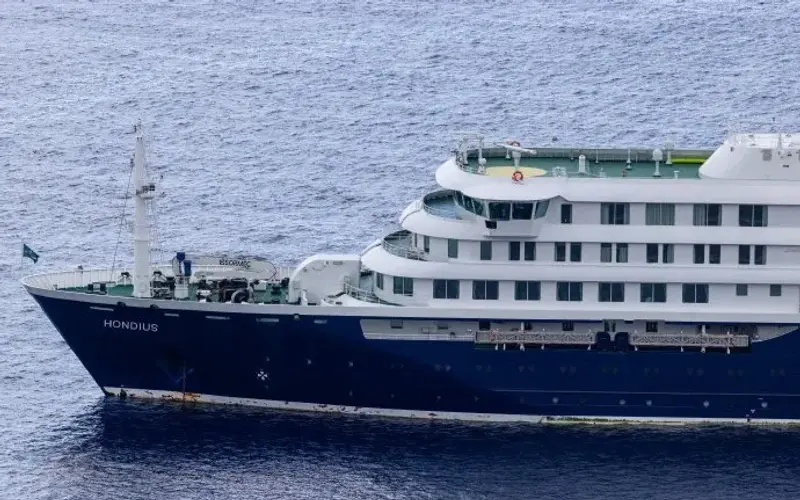
For 300,000 RMB, passengers boarded a seven-deck polar cruise ship bound for one of Earth's most remote seas, meant to be a dream expedition. But a deadly virus with a 40% fatality rate was already on board. Before the outbreak was detected, it traveled with disembarking passengers to countries worldwide. So far 3 people have died and 9 have been infected. Experts suspect the Andes variant of hantavirus, an extremely rare strain that can spread from human to human.
What Is Hantavirus?
Hantavirus is an ancient group of viruses carried by rodents such as mice. Humans become infected by contacting infected mice's urine, feces or saliva, or by inhaling droplets or dust contaminated with rodent excreta. Most hantaviruses cannot spread between people; avoiding contact with rodents and their waste is enough to stay safe.
The Exception: Andes Virus
Andes virus is the only known hantavirus transmissible from human to human. In close-contact settings such as hugging, talking closely or dining together, it spreads via respiratory droplets, saliva or bodily fluids. Scientists tracing the source suspect a wildlife landfill near Tierra del Fuego, Argentina, home to rodents carrying the virus.
Symptoms and Severity
Infection causes Hantavirus Pulmonary Syndrome (HPS). Early symptoms mimic severe flu: fever, muscle aches and headache. The condition worsens rapidly, leading to pulmonary edema (fluid in the lungs) and respiratory failure. The fatality rate is 32-40%, and the incubation period can last several weeks. On the cruise, passengers continued dining and partying for 12 full days after the first death, missing the critical window to stop transmission.
A History of Danger
This is not the first Andes virus cluster. In 2018, a birthday party in a small town in southern Argentina became a super-spreading event (the Epuyen outbreak), where one infected attendee caused nearly 30 infections and 11 deaths.
How to Protect Yourself
The virus has limited transmissibility, according to Hans Kluge, WHO Regional Director for Europe. Simple precautions help:
- Rodent control: keep living spaces clean, seal entry points, and avoid wild rodents.
- Clean carefully: wear masks and gloves when cleaning warehouses, basements or unused homes; spray disinfectant first and never sweep dry dust.
- Travel safely: when camping, avoid areas with rodent burrows or waste, and take extra care in South America.
- Seek early care: if you develop fever and muscle pain (especially back or eye-socket pain) after exposure to rodent waste or travel to rural or endemic areas, see a doctor immediately and share your travel history.
Related Images