Cerebral Aneurysm: The Brain's Silent "Time Bomb" for People With Hypertension
November 15, 2025
A 39-year-old live streamer died within 10 minutes of a sudden headache from brainstem hemorrhage, likely a ruptured cerebral aneurysm, a silent risk for those with hypertension.
On March 12, 2026, a heartbreaking story trended online: a 39-year-old internet celebrity suffered a sudden severe headache during a live broadcast, cried out in pain, and died about 10 minutes after symptoms appeared. The cause of death was brainstem hemorrhage. Professor Song Donglei, President of Shanghai Donglei Brain Hospital, said: "Based on the extremely rapid onset, the most likely cause was a ruptured cerebral aneurysm."
A "Time Bomb" in the Skull
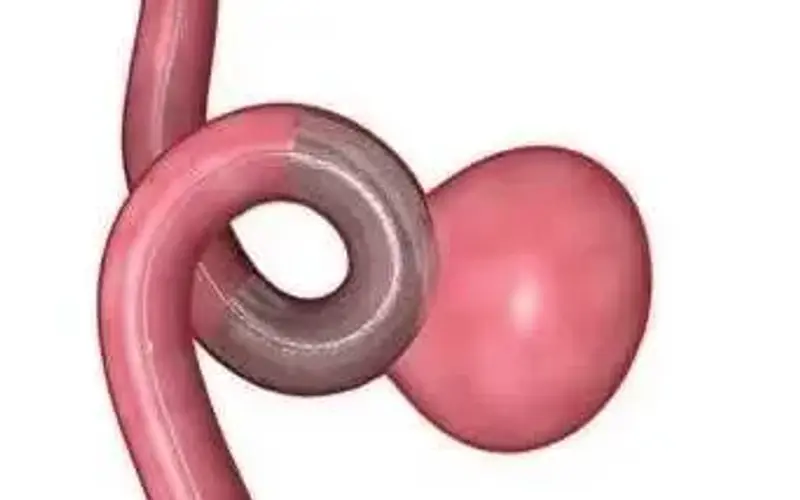
A cerebral aneurysm is an abnormal bulge on the wall of a brain artery, forming when a weakened wall balloons outward under constant blood flow, like a thin-walled blister on the vessel. It is usually asymptomatic in daily life. Rupture can be triggered by stress, excitement, overwork, straining during defecation, heavy lifting, fast climbing, or any sudden rise in blood pressure. Rupture causes subarachnoid hemorrhage and brain cell damage; bleeding in the brainstem, the control center for breathing and heartbeat, can cause respiratory and cardiac arrest within minutes. Aneurysm rupture is the leading cause of subarachnoid hemorrhage and ranks third among cerebrovascular accidents, after cerebral thrombosis and hypertensive cerebral hemorrhage.
Who Is at High Risk?
Cerebral aneurysms can occur at any age. Major risk factors include hypertension (the most important acquired factor, weakening vessel walls), atherosclerosis (reducing elasticity and creating weak points), smoking and heavy drinking (damaging the vascular endothelium), and sudden emotional stress or strenuous effort as immediate triggers.
Warning Signs Before Rupture
About 40-60% of aneurysms give warning symptoms before rupture, often from sudden expansion or minor leakage: a sudden extreme headache described as "the worst headache of my life" or a thunderclap headache, usually throbbing around one eye; nausea and vomiting with dizziness or loss of balance; oculomotor nerve palsy (droopy eyelid, double vision, dilated pupil), a key sign of a posterior communicating artery aneurysm; and a stiff neck caused by blood irritating the meninges. Sadly, 90% of patients have no obvious symptoms before rupture, which is why it is called a silent time bomb.
Prevention and Treatment
Prevention: control blood pressure below 140/90 mmHg, quit smoking and limit alcohol, stay emotionally calm and avoid sudden exertion, straining or rapid posture changes, and undergo regular cerebrovascular screening (CTA or MRA) if at high risk (hypertension, smoking, family history). Treatment: surgical clipping (craniotomy) or endovascular treatment (embolization, flow-diverter or stent placement). Treatment must be individualized.
Shanghai Donglei Brain Hospital
Led by internationally renowned cerebrovascular expert Professor Song Donglei, the hospital has a top-tier team for complex cerebrovascular diseases. Professor Song is Chief Expert of Neurosurgery and President of the hospital, a pioneer of Onyx embolization for cerebral arteriovenous malformations in China, a senior mentor for flow-diverter stent treatment of aneurysms, a former PhD supervisor at Huashan Hospital, Fudan University, and has performed more than 20,000 procedures. The team is also skilled in complex aneurysm embolization, moyamoya disease bypass, vascular malformation surgery and emergency stroke care.
This tragedy is not isolated; another 32-year-old streamer died of brainstem hemorrhage during a live broadcast in 2025. We cannot predict accidents, but we can prevent risks. For those with hypertension or family risk, one cerebrovascular screening could save a life.
Related Images